Environmental Sustainability
Malta International Airport’s commitment to environmental sustainability is embedded in the way we do business. By focusing on climate and energy, as well as waste, resource and water management, we strive to minimise our environmental footprint while aligning with our industry’s broader sustainability targets.
Net Zero Carbon Plan
Our Net Zero Carbon Plan is central to our climate and energy efforts, outlining our strategy towards achieving carbon neutrality by 2025 and net zero carbon emissions by 2050. Having already reduced emissions within our control by 31% compared to 2015, this plan builds on the significant progress we’ve made. Our Net Zero Carbon plan may be viewed in full here.
A Decade of Environmental Achievements
Scroll through our most significant milestones
Climate Action & Energy Management
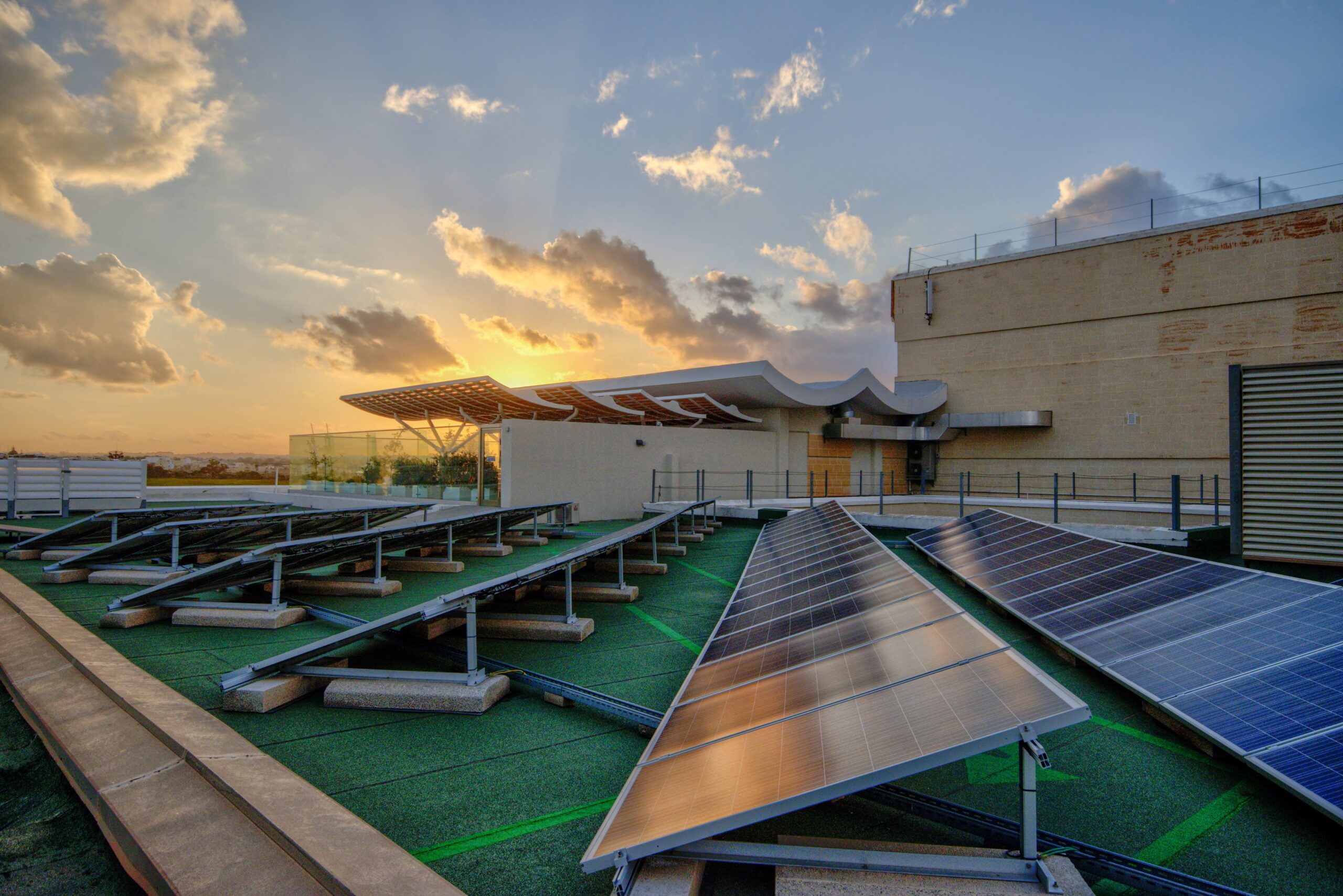
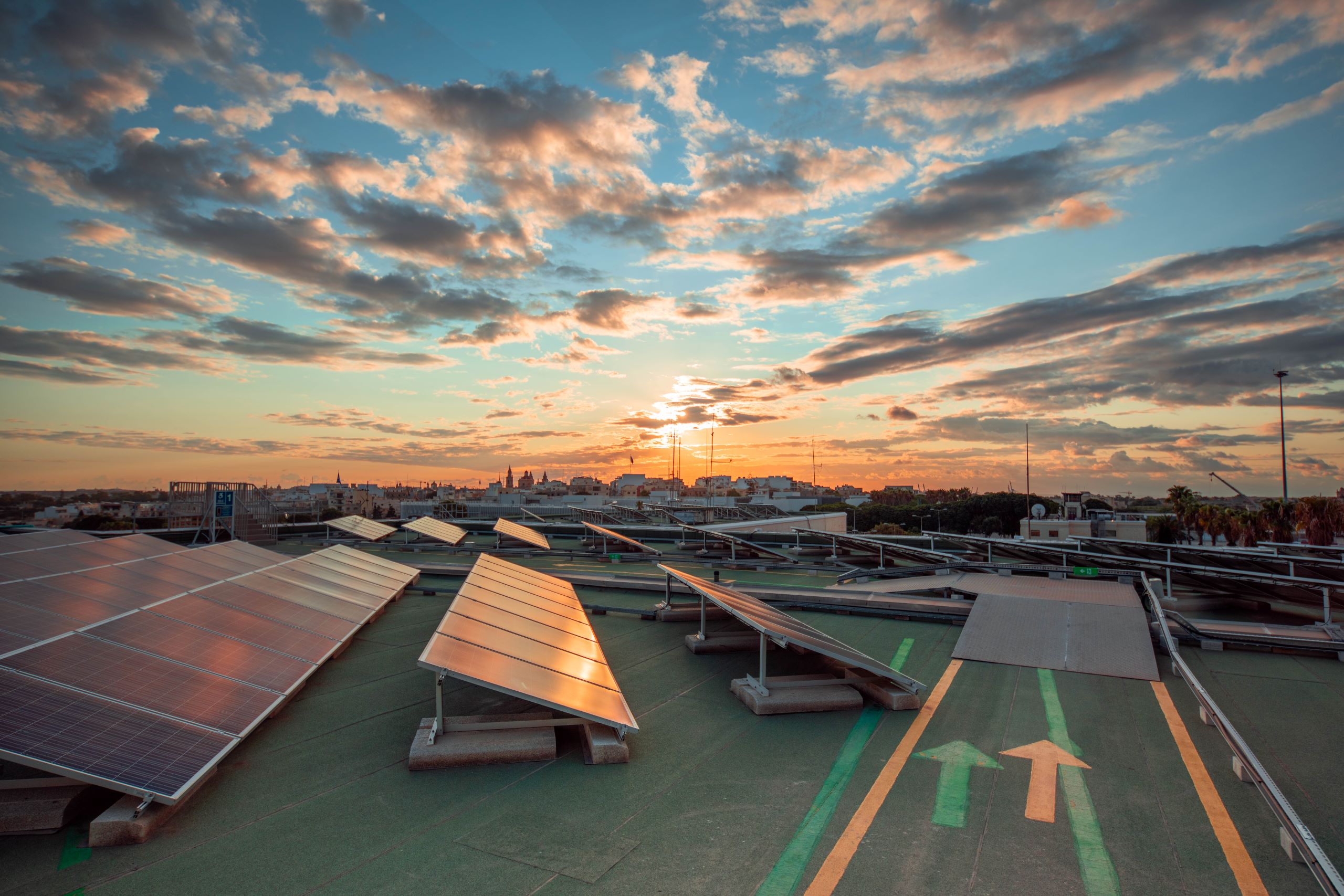
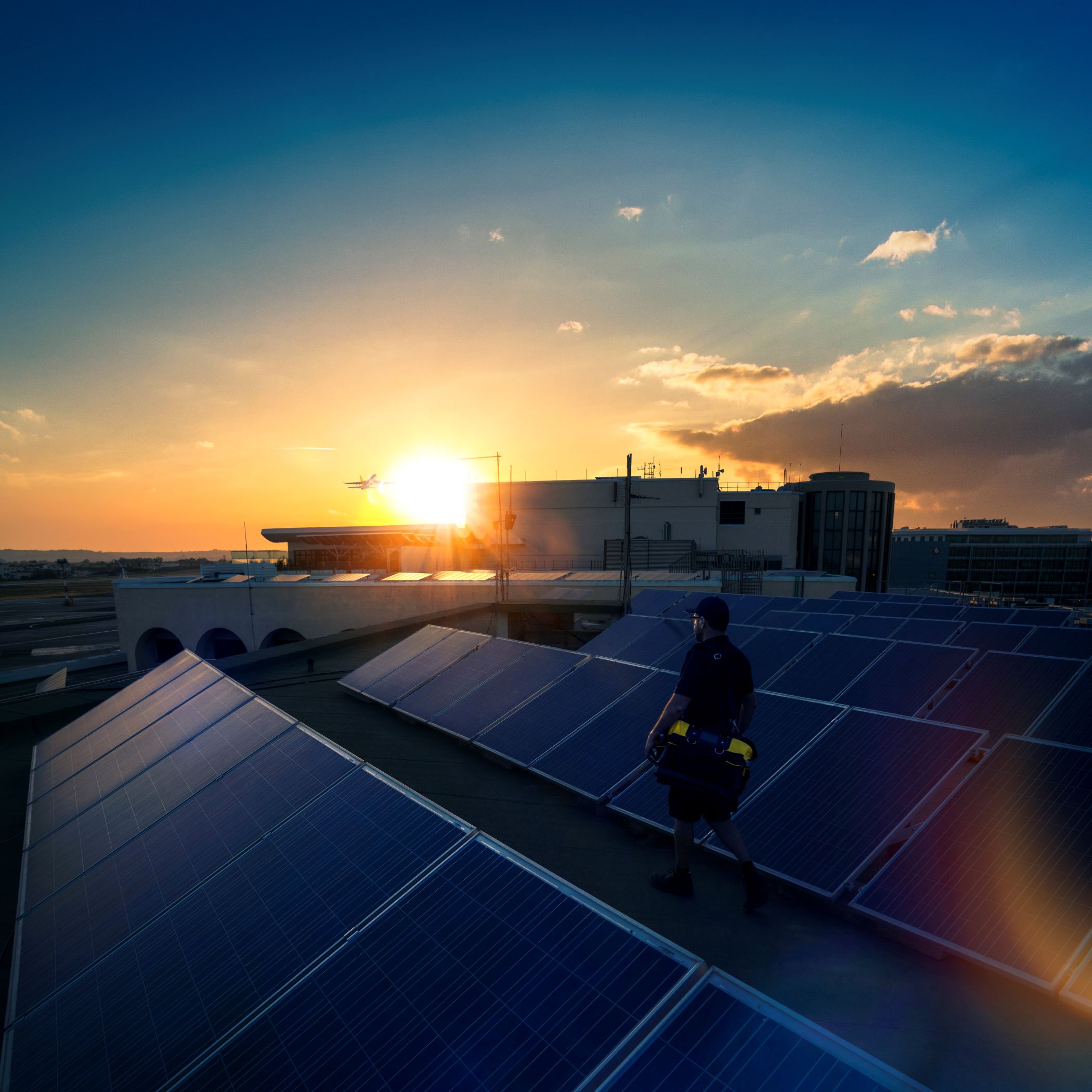
Our climate journey began over a decade ago, with the Company joining Airports Council International’s (ACI) Airport Carbon Accreditation (ACA) Programme at Level 1 in 2016. This programme has supported our carbon footprint mapping efforts, enabling us to identify the main sources of our emissions and implement the most effective initiatives to decarbonise our operations. Since almost 90% of our emissions result from electricity consumption, we have made significant investments in solar energy over the years. Having recently decommissioned our largest photovoltaic farm, our annual clean energy generation capacity now stands at around 8.2 million kWh, which is enough to power over 1,600 local households for a year. Our energy-management efforts, including the more recent collection of Scope 3 emissions from stakeholders, allowed us to progress to Level 3 of the ACA Programme in 2024, as we continued to work towards our ambition of becoming a net zero carbon airport for emissions under our control by 2050.
Waste & Resource Management
Waste and resource management is a key pillar of our commitment to minimise our environmental footprint. Following the gradual implementation of several waste-related initiatives, including improved waste separation through the introduction of organic waste collection, we began to measure their effectiveness by introduced the landfill waste per passenger metric in 2022 to monitor their effectiveness. By 2024, we successfully increased the amount of recycled waste by 30%, while limiting the rise in landfill waste to just 2%. At Malta International Airport, we continue to collaborate with around 5,000 stakeholders operating on our premises to drive lasting behavioural change in how we use resources and manage waste.

Water Stewardship
By strengthening its leadership team, engaging its employees in its sustainability journey, and fostering interdepartmental collaboration, Malta International Airport has continued to build a resilient and responsible organisation. Since the first sustainability report was published in 2015, the airport has increasingly adopted practices that minimise the negative social and environmental impacts of its operations to get to where it is today.

Environmental Sustainability News
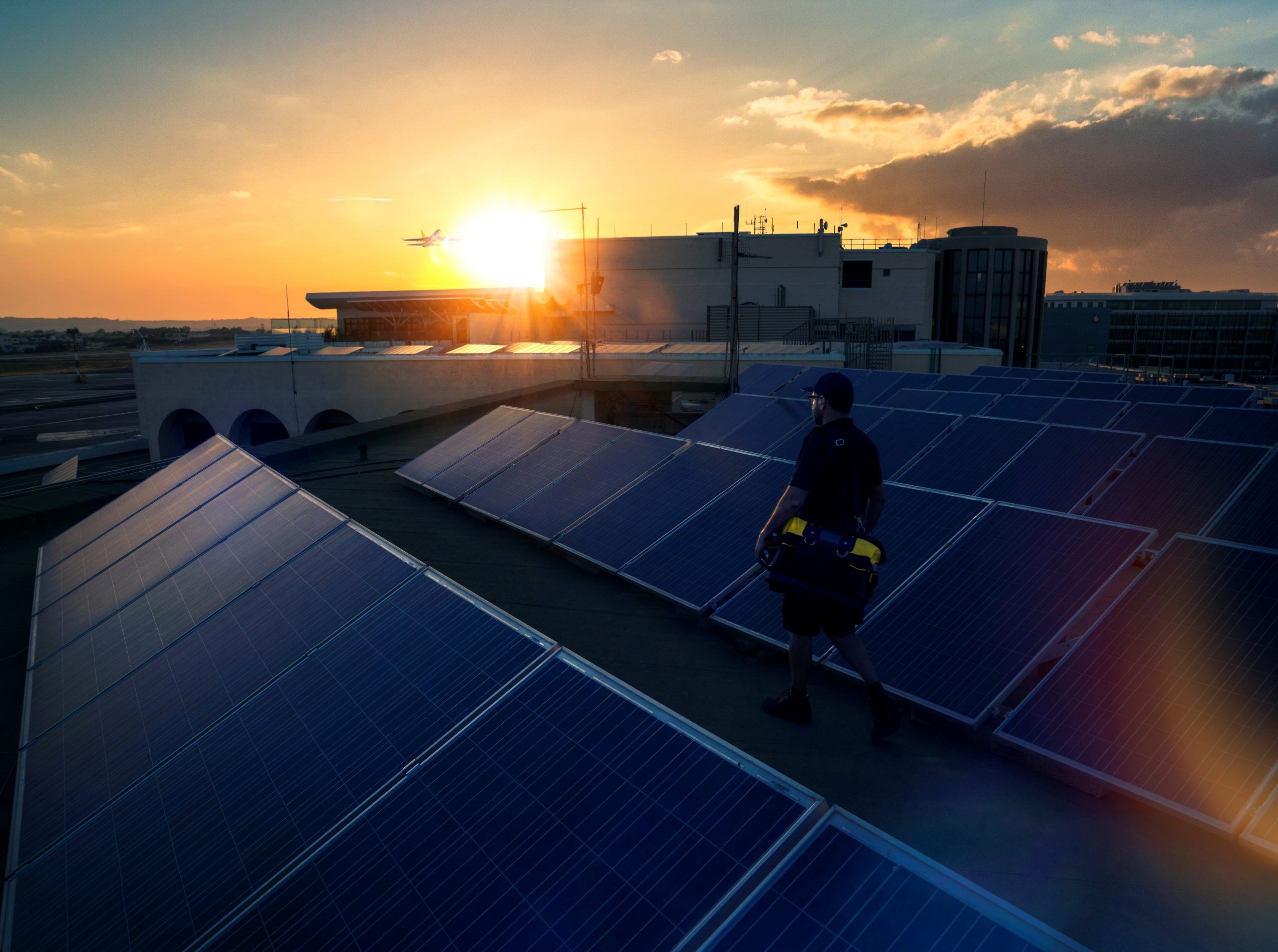
Malta International Airport endorses the Toulouse Declaration as it continues to work towards becoming net zero by 2050

Malta International Airport monitors Air Quality with the Help of 750,000 Bees
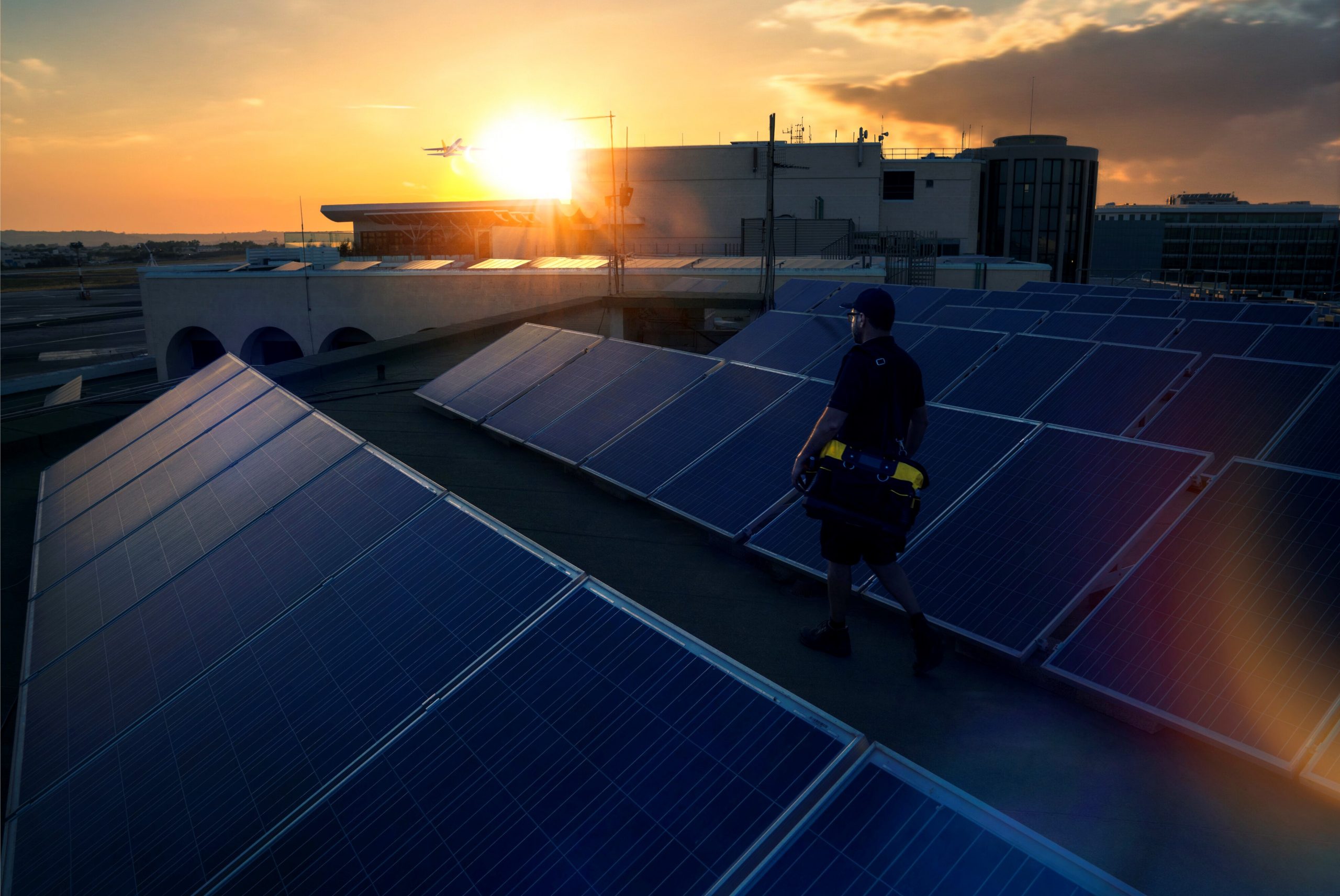
Malta International Airport marks a new milestone in its journey towards carbon neutrality
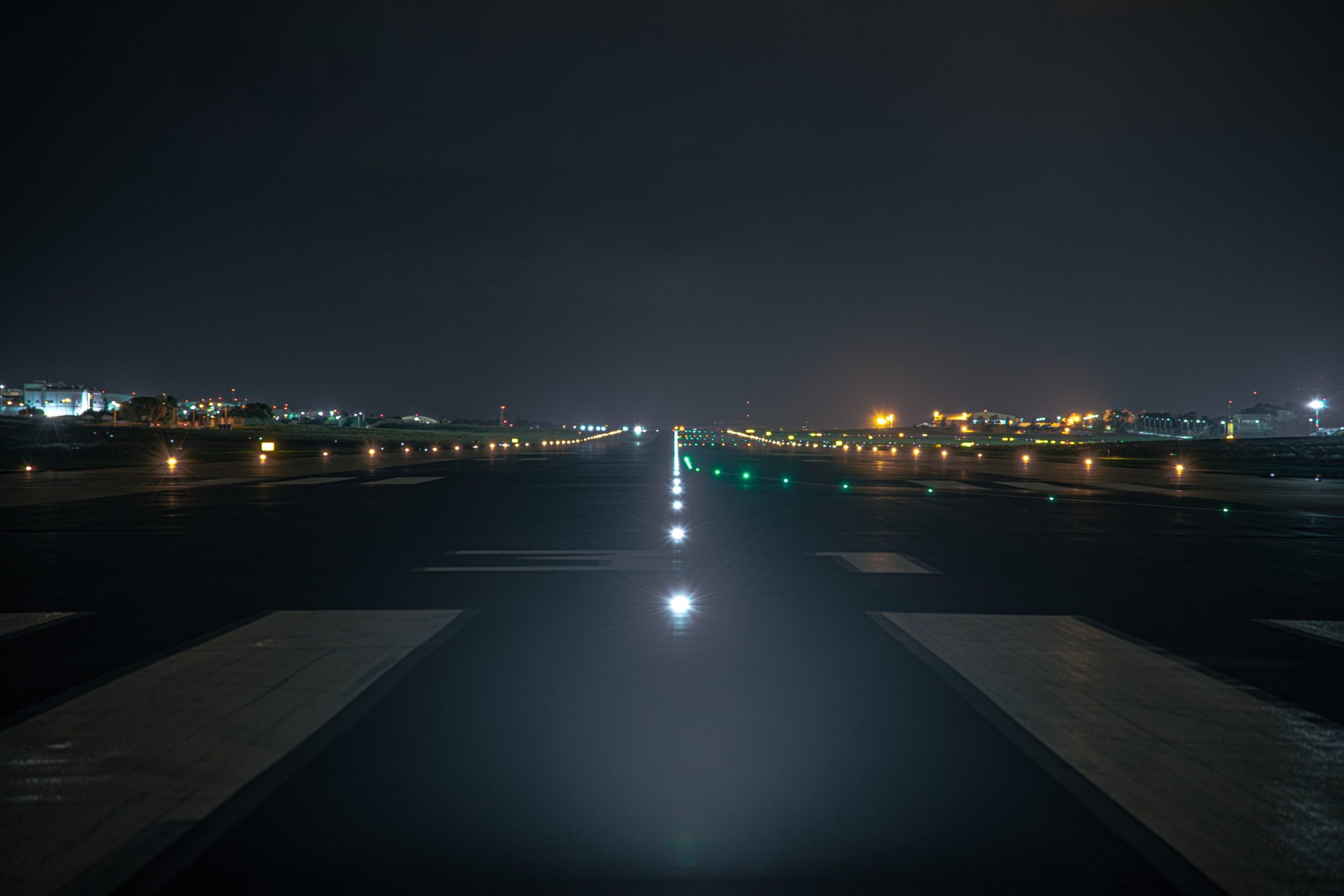
Lighting Upgrades at Malta International Airport Expected to Lead to Significant Drops in Energy Consumption
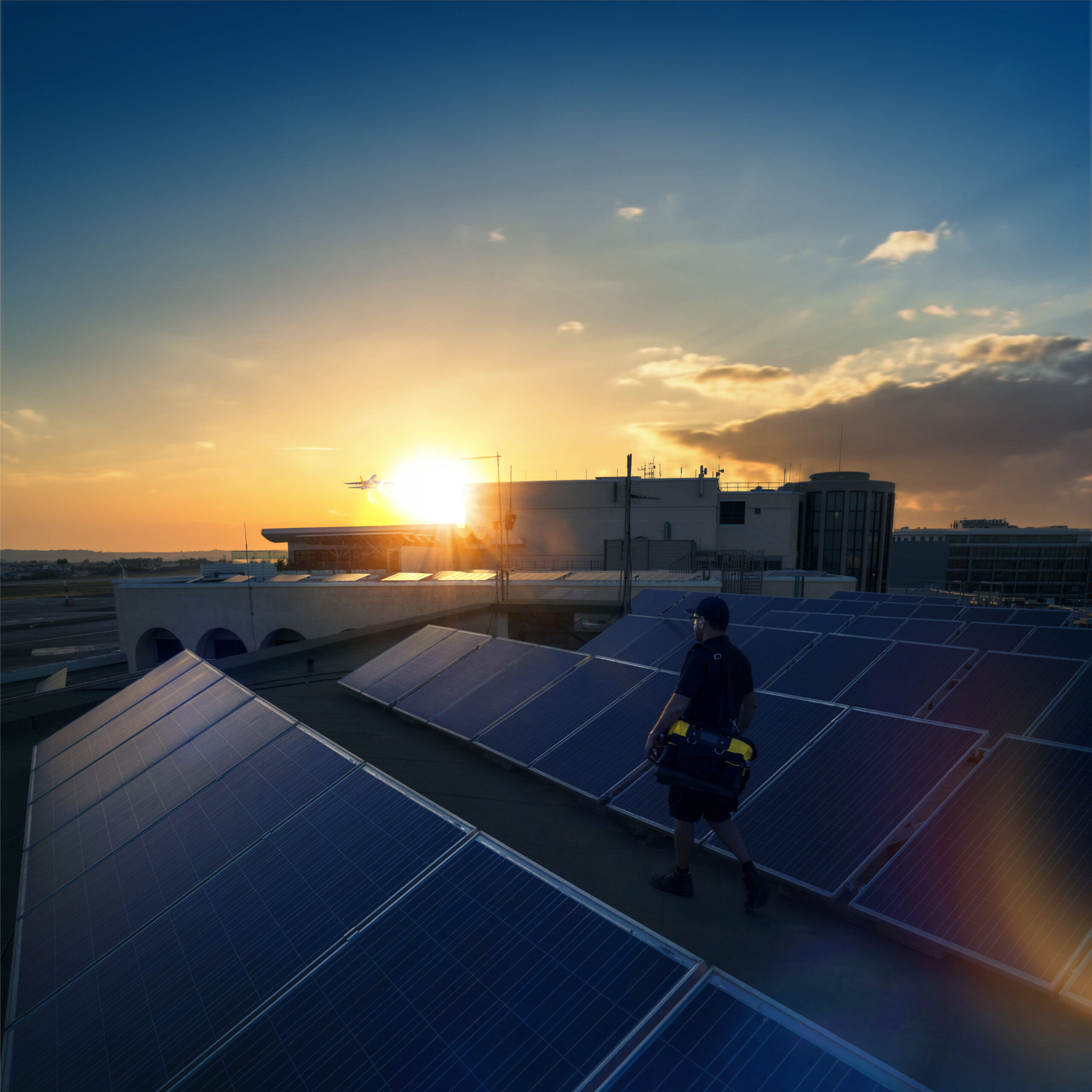
Malta Airport to generate even more Clean Energy through Investment in PV Panels